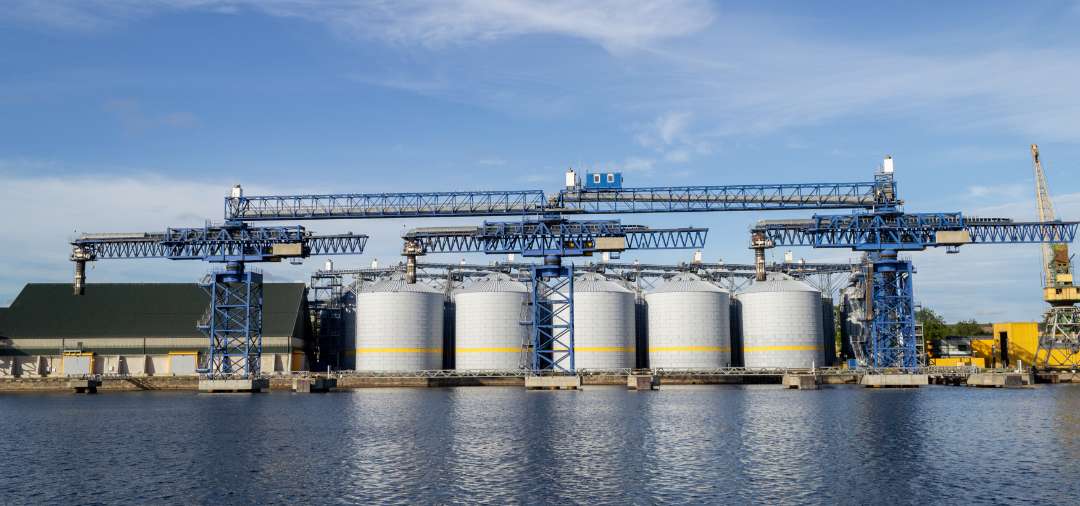
Steam generation equipment is essentially a countercurrent flow heat exchanger composed of a series of superheater, boiler and economizer sections positioned from the supercritical flow inlet to the outlet in order to maximize heat recovery.
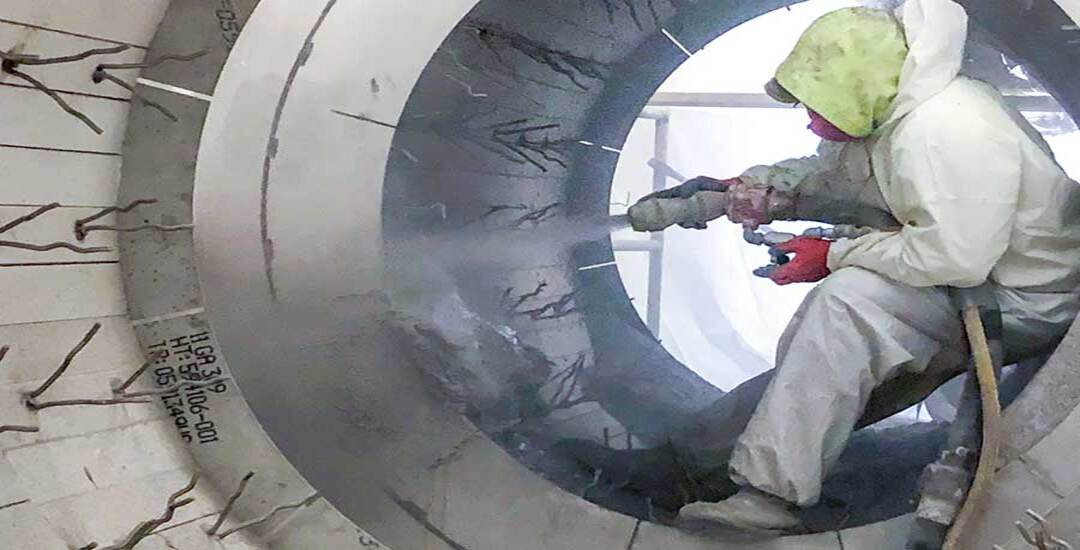
The internal walls of furnaces and process heaters are insulated with refractory lining, helping to conserve heat loss and maintain the internal temperature inside the heater. In addition, the external casing of the heater needs to be cool enough for operating staff to access safely.
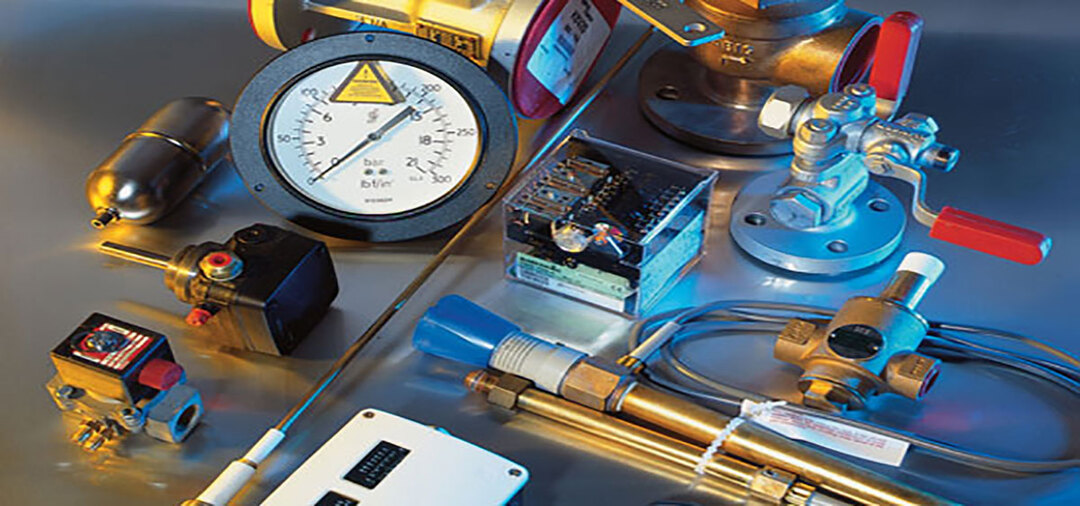
Boiler pressure relief valves are typically located on the side of the boiler, near the bottom. They are made of brass or stainless steel and have a threaded fitting that connects to a pipe that leads to a drain or other safe location.
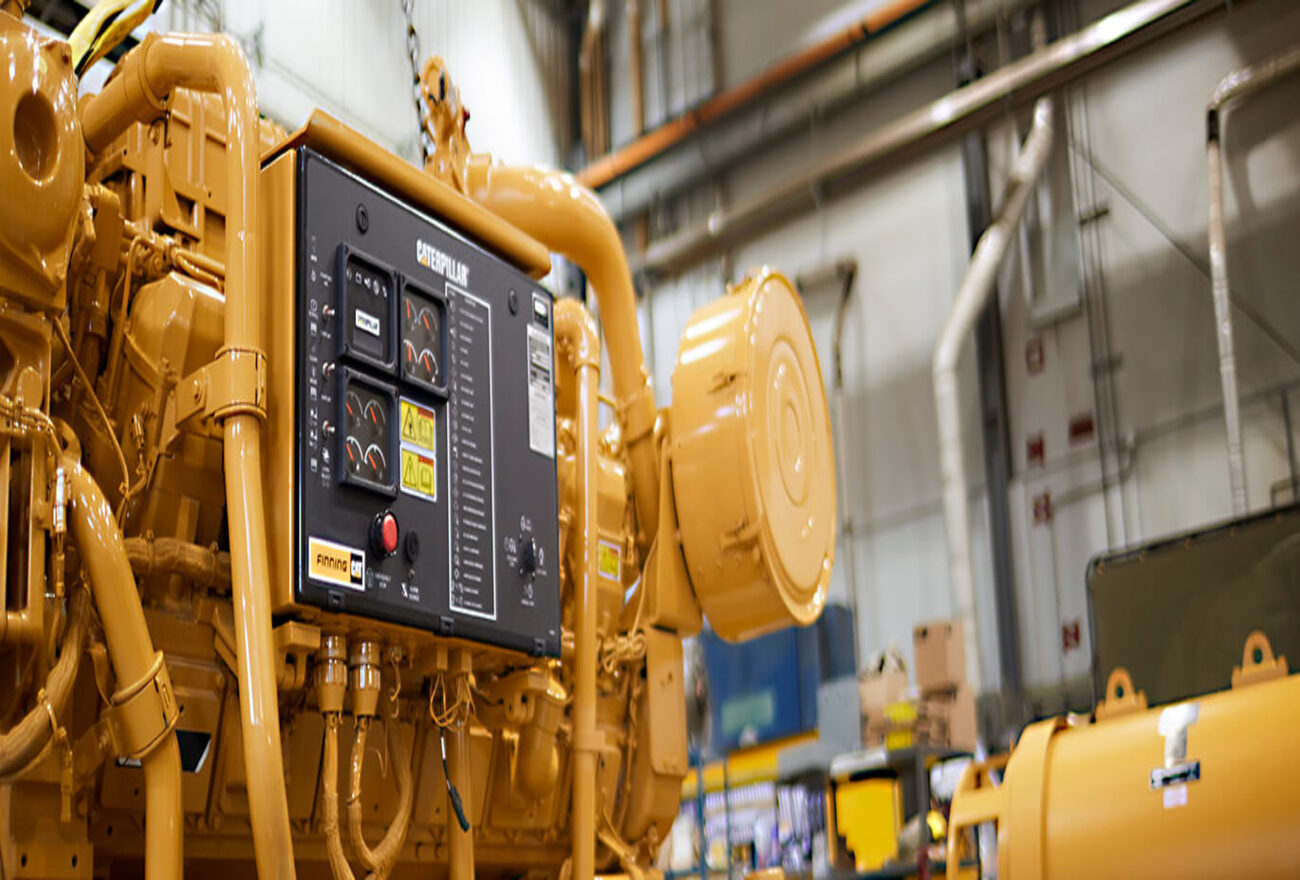
All power systems have one or more sources of power. For some power systems, the source of power is external to the system but for others, it is part of the system itself—it is these internal power sources that are discussed in the remainder of this section.
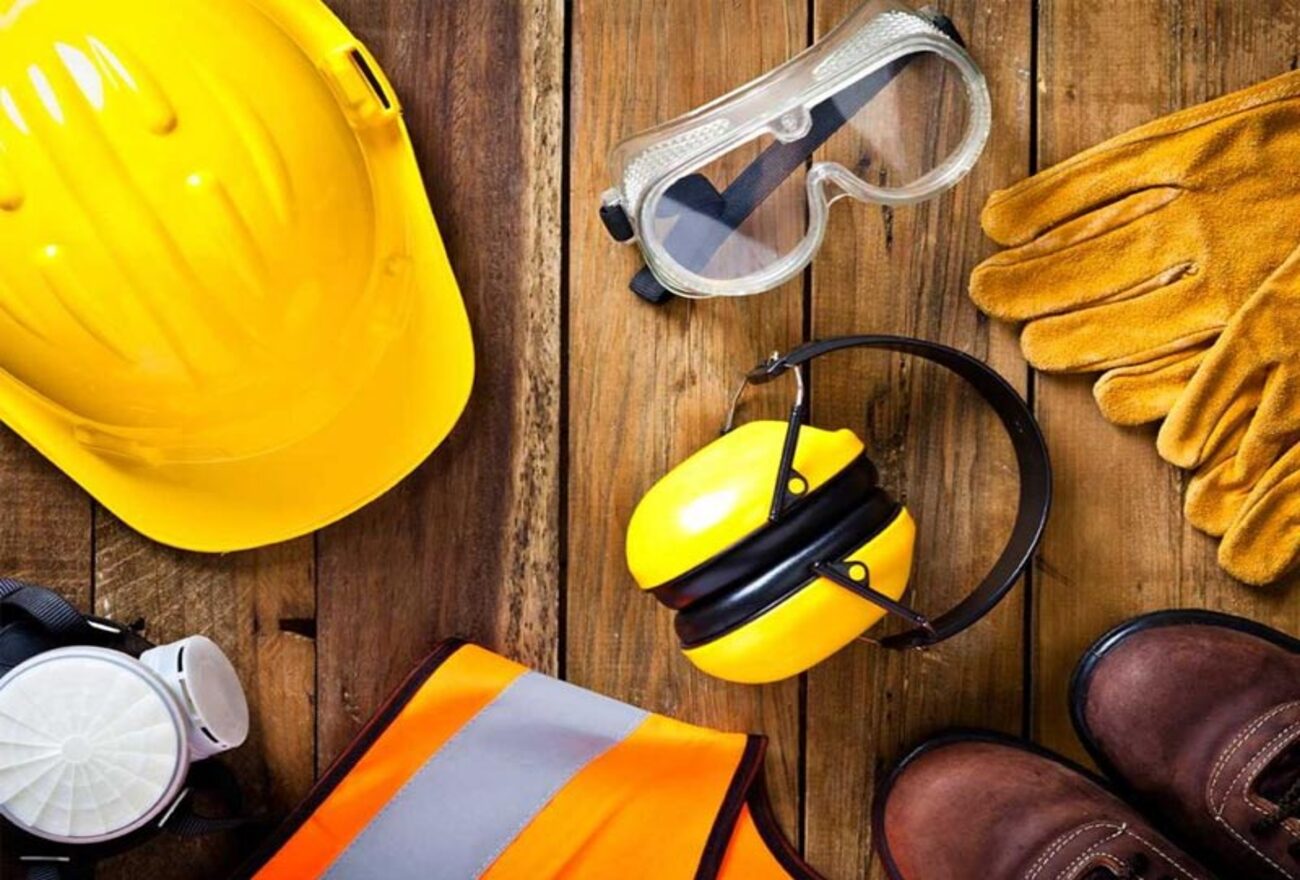
As an employer, you are in charge of a safe and healthy working environment for your employees. You are familiar with the safety risks within your sector, as well as the measures you can take to counteract these risks.
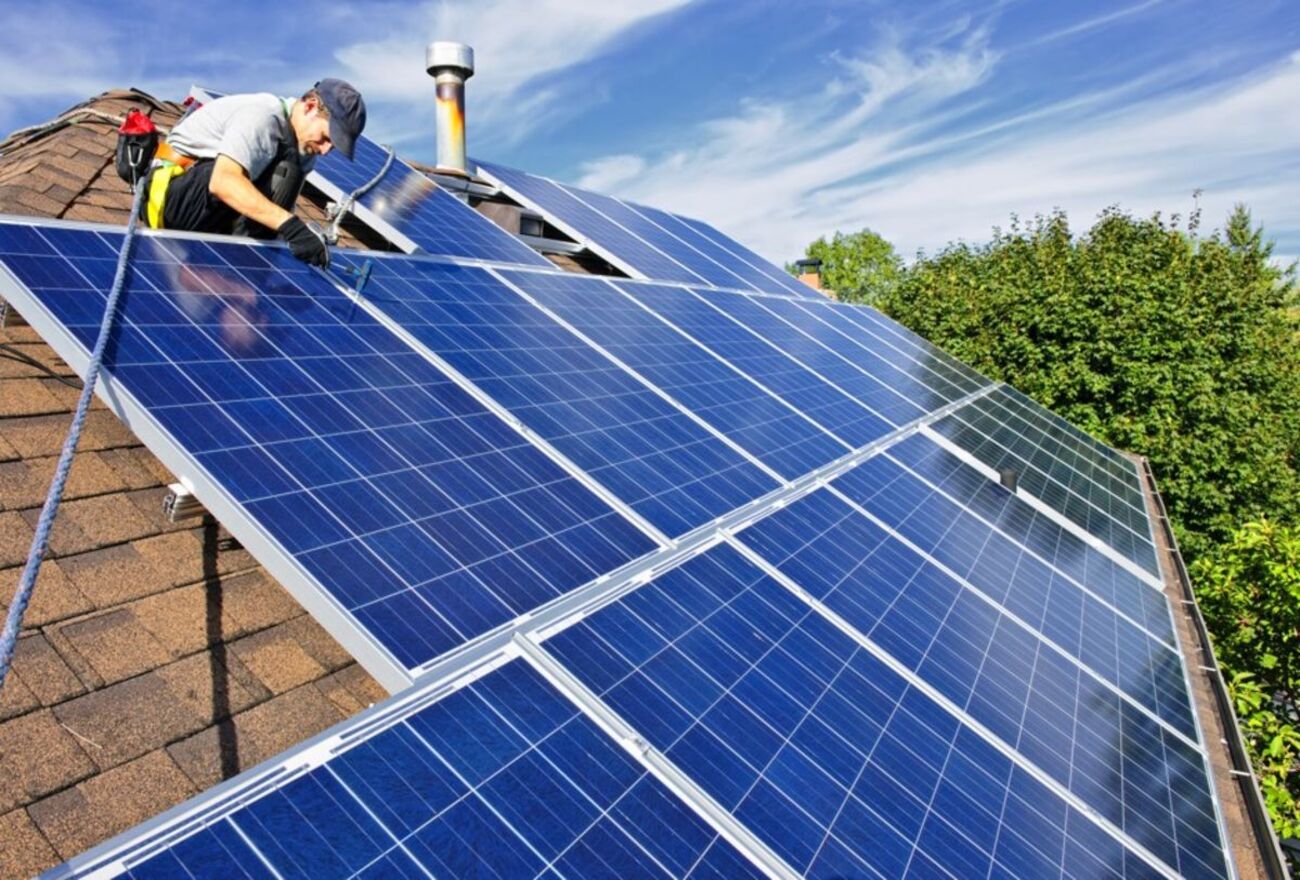
Most electricity is still generated by burning fossil fuels, but cleaner sources of energy are gaining ground. About 29 percent of electricity currently comes from renewable sources, such as wind and solar, which nature will replenish and which emit little to no greenhouse gases or pollutants into the air
Let us Help You

Giving Your the best Energy Solutions for your Company
We have a group of Skilled Engineers Just A phone call away